
Griege Fabrics
Emergency Call - 24/7
- +331 2444 288
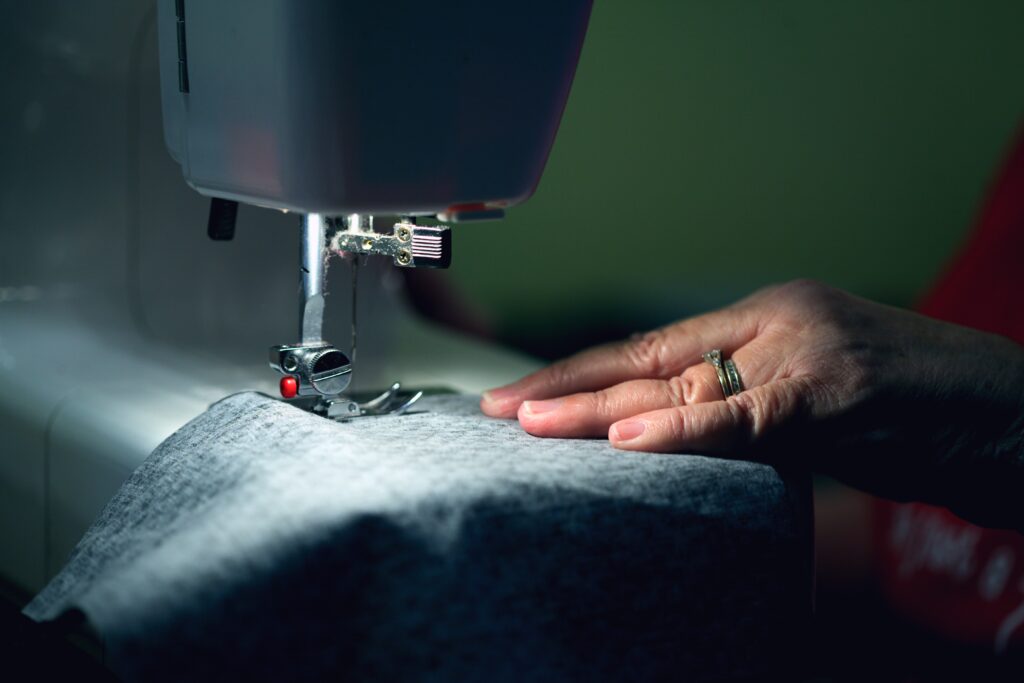
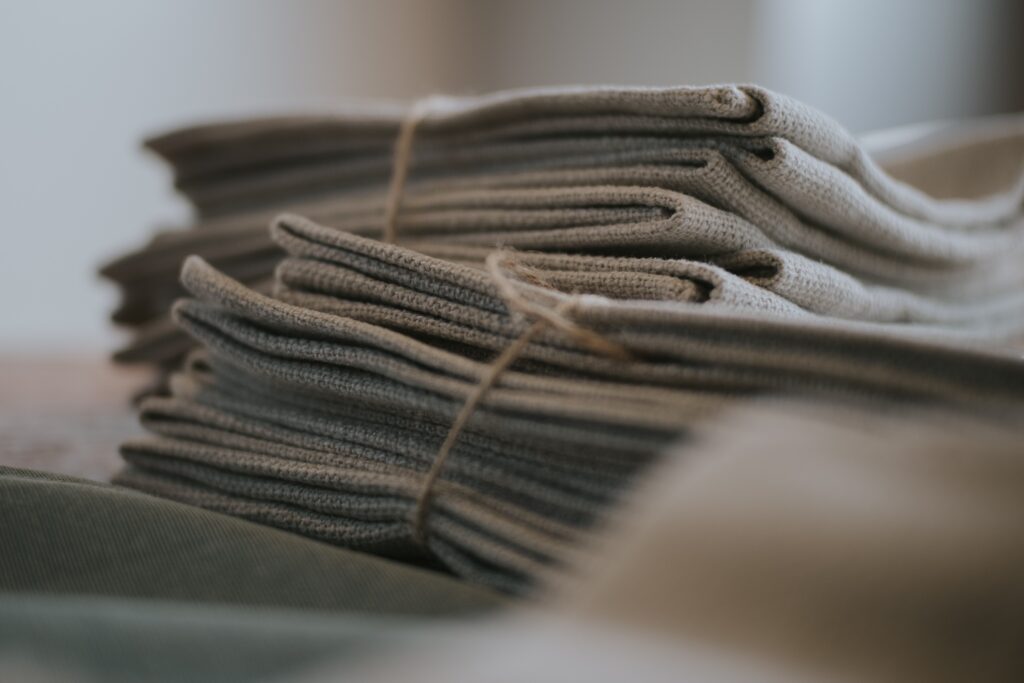

Deals in high quality Grey fabric, DYED AND PRINTED FABRIC in local and export market
We have 30 million meters per annum griege fabric production on airjet, sulzer, and power looms
. Polyester Viscose (PV) Griege fabric
.CVC GRIEGE FABRIC
. Cotton Griege Fabric
. Linen Griege Fabric
. Wool Griege Fabric
. Silk Griege Fabric
. Hemp Griege Fabric
. Bamboo Griege Fabric
. Synthetic Griege Fabric
. Blended Griege Fabrics
. Specialty Griege Fabrics
. Canvas Griege Fabric
“Griege fabric,” also spelled as “greige fabric,” refers to a type of textile material that is in its unfinished, natural state after the initial weaving process but before undergoing any dyeing or finishing treatments. It is essentially the raw, undyed, and untreated fabric that comes directly from the weaving loom. The term “griege” is derived from the French word “grège,” which means gray.
Here are some key characteristics and aspects of griege fabric:
Natural Appearance: Griege fabric typically has a neutral, off-white or grayish color. Its appearance depends on the type of fibers used and their inherent color. For example, cotton griege fabric tends to have a creamy, off-white hue, while wool griege fabric may have a more natural grayish tone.
Unfinished Texture: Griege fabric retains the texture imparted by the weaving process. It may have a somewhat coarse or rough feel, which can vary depending on the weave structure, fiber type, and yarn count.
Versatility: Griege fabric serves as a versatile starting point for a wide range of textile products. It can be dyed, printed, finished, and transformed into various items such as clothing, bed linens, towels, upholstery, and more.
Absence of Chemical Treatments: Unlike finished fabrics, griege fabric has not been subjected to processes like bleaching, dyeing, or chemical finishing. This makes it a preferred choice in situations where natural or untreated textiles are desired, such as for eco-friendly or organic products.
Suitability for Customization: Designers and manufacturers often favor griege fabric because it allows for greater control over the final appearance and performance of the textile. They can choose specific dyeing methods, colors, and finishes to achieve their desired outcomes.
Preparation for Finishing: Before griege fabric can be transformed into a finished product, it usually undergoes preparatory steps like singeing (to remove fuzz), desizing (to remove sizing agents), and sometimes mercerization (to enhance luster and strength).
Consistency and Quality Control: Griege fabric is subject to strict quality control measures to ensure that it meets industry standards and specifications. Any defects or irregularities are addressed at this stage to prevent them from carrying through to the finished product.
Dyeing and Finishing: Once griege fabric is prepared, it can be dyed to achieve a wide range of colors and patterns. After dyeing, various finishing processes, such as softening, calendering, and coating, can be applied to enhance its properties and appearance.
Applications: Griege fabric is used in countless applications across the textile industry. Depending on its composition and treatment, it can be found in everyday clothing, home textiles, industrial fabrics, and more.